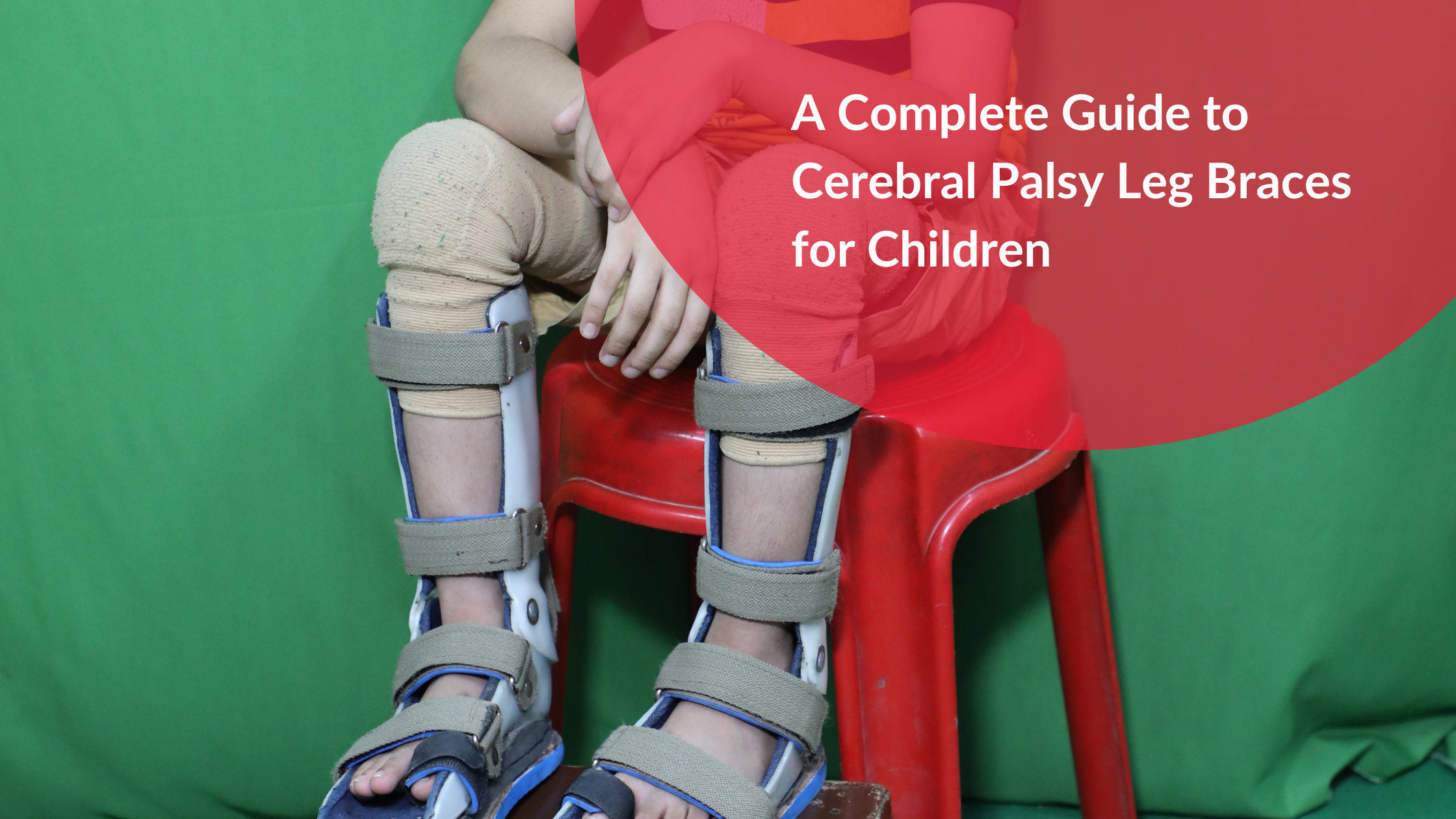
Control of movement is difficult for kids with cerebral palsy. It is the most general handicap affecting a child’s ability to manage their motor skills. A brain injury or unusual brain development before birth or early in life is typically the cause of cerebral palsy.
Though less frequent, genetic factors can also be involved. Here are some things about cerebral palsy leg braces for children.
What are Cerebral Palsy Leg Braces
Muscle spasticity is a common condition in children with cerebral palsy, which typically makes it difficult for them to walk, move, and relax comfortably. Following a cerebral palsy diagnosis, healthcare professionals may recommend leg braces as part of an individualized treatment plan. Joints with spasticity may remain relatively fixed in specific positions.
Other muscles surrounding the joint may also become weaker as a result. Cerebral palsy leg braces and orthotic devices can help a kid with cerebral palsy move more freely, sit more steadily, and gain greater strength and mobility by holding joints and other body parts in specific positions.
Ways Leg Braces Enhance Function and Independence for Children with Cerebral Palsy
Enhanced Stability and Mobility: Children with cerebral palsy can stand, walk, and move more confidently with cerebral palsy leg braces, which provide vital support to the feet, ankles, and legs. Braces lower the risk of falls and encourage children to engage more fully in daily activities by enhancing alignment and stability.
Improved Support for Muscles and Joints: Some children may experience cerebral palsy symptoms such as muscle stiffness, rigidity, or weakness. Leg braces prevent unusual movement patterns, reduce excessive muscle strain, and help maintain healthy joint alignment. Additionally, over time, this support can reduce the emergence of joint abnormalities.
Enhanced Self-Sufficiency in Everyday Tasks: Children can carry out regular chores like walking to school, climbing stairs, and playing with peers more independently when they have better balance and mobility. As part of a comprehensive cerebral palsy management plan, improving mobility boosts confidence and self-esteem by promoting engagement in social, educational, and recreational activities.
Long-Term Physical Growth: Regular use of properly fitted cerebral palsy leg braces enhances overall physical development and promotes good gait patterns. Braces enable children to lead more active and satisfying lives by strengthening functional movement, increasing independence, and improving endurance when used in conjunction with physical therapy and routine follow-ups.
Different Types of Leg Braces for Children with Cerebral Palsy
Ankle-Foot Orthoses (AFOs)
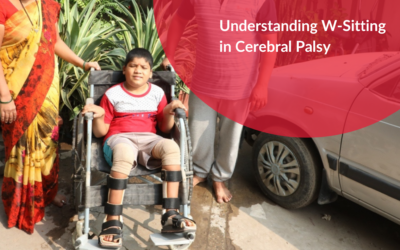
One of the most commonly prescribed braces for kids with cerebral palsy is an ankle-foot orthosis (AFO). They help address problems such as foot drop, toe walking, and muscle stiffness. They also support the foot and ankle, provide stability, and encourage healthy walking habits. These AfOs can be modified according to gait patterns and the needs of a child.
Supramalleolar Orthoses (SMOs)
Supramalleolar Orthoses (SMOs) are perfect for kids with minor balance or foot alignment issues because they offer support just above the ankle. They are appropriate for kids with higher muscular control because they increase stability while permitting more ankle movement than AFOs.
Knee-Ankle-Foot Orthoses (KAFOs)
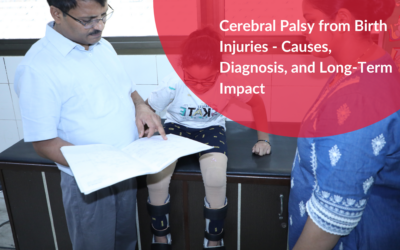
Knee-Ankle-Foot Orthoses (KAFOs) provide support for the knee, ankle, and foot by extending from the thigh to the foot. For kids who have severe muscle weakness or unstable knees, these braces can help with walking, standing, and weight-bearing activities. Also very useful in the post-surgery phase.
When should Children with Cerebral Palsy Begin Using Leg Braces?
A child’s unique needs, level of mobility, and developmental stage all influence when to start cerebral palsy leg braces. A medical professional may recommend braces after a comprehensive assessment and diagnosis of cerebral palsy if they can improve mobility and prevent further complications. The following are indicators that a child might benefit from this.
- Inability to stay balanced when walking or standing.
- A typical gait pattern or persistent toe walking.
- Joint instability, spasticity, or tight muscles.
- Many falls or difficulty moving around daily.
- Need for extra assistance with everyday tasks or physical rehabilitation.
Combining Leg Braces with Other Cerebral Palsy Treatments
For kids, cerebral palsy leg braces work best when included in an all-encompassing treatment regimen. They frequently work in conjunction with physical therapy to enhance walking patterns, strength, balance, and flexibility. While medications or injections may help control muscle stiffness, occupational therapy helps children develop the skills needed for daily activities.
Cerebral palsy leg braces can aid recovery after orthopedic surgery and may be necessary in some situations to address irregularities in the bones or joints. Frequent follow-up visits guarantee that the braces fit correctly and continue to address the child’s evolving needs as they mature.
How to Maintain and Care for Leg Braces
Clean Braces Frequently
To remove bacteria, perspiration, and grime, wipe the braces daily with a soft cloth and mild soap. Steer clear of harsh chemicals, as they can damage the materials. Before using the braces, let them air dry completely.
Examine Wear and Damage
Regularly check the bracing for worn padding, loose straps, cracks, and broken hinges. Early resolution of minor problems helps ensure that the braces continue to provide adequate support and prevent discomfort.
Ensure a Proper Fit
As children grow, their cerebral palsy leg braces may need adjustments or replacement. Watch for signs such as redness, pressure sores, or complaints of discomfort, and schedule regular appointments with the orthotist to ensure an accurate fit.
Wear Appropriate Footwear
Choose supportive, properly fitting shoes that accommodate the braces comfortably. The right footwear enhances stability, improves walking efficiency, and reduces unnecessary pressure on the feet.
Follow Professional Guidance
Always use the braces according to your child’s healthcare team’s recommendations. Regular follow-up visits help monitor progress, make necessary adjustments, and ensure the braces continue to support mobility, comfort, and long-term physical development effectively.
Trishla Foundation – Expert Care for Children with Cerebral Palsy
By enhancing mobility, stability, and independence, cerebral palsy leg braces can significantly improve the lives of kids with cerebral palsy. They promote healthy physical development and boost daily confidence when combined with the appropriate therapies and professional advice. Getting individualized care is crucial to getting the best results because every child has different demands.
Our skilled staff at Trishla Foundation is committed to helping every child realise their full potential by providing comprehensive cerebral palsy treatment, specialised rehabilitation programmes, and ongoing support. To find out how we can help your child on their path to increased mobility and improved quality of life, get in touch with Trishla Foundation right now.