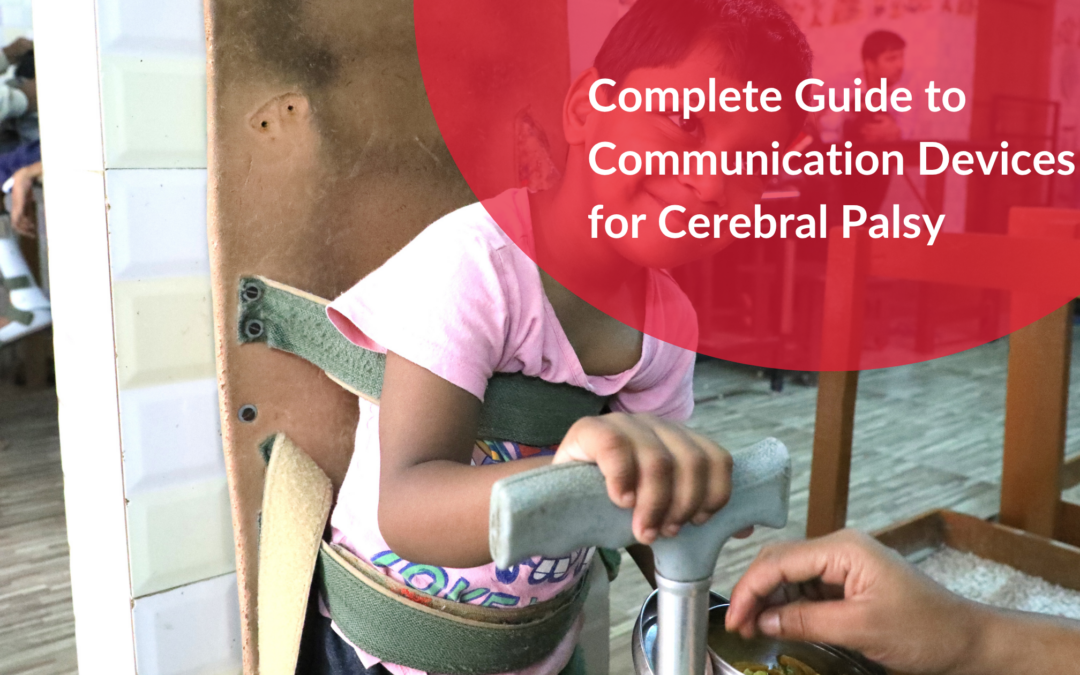
Communication problems are common in children with cerebral palsy. Some people with cerebral palsy may feel alone if they are unable to express their needs or even establish a connection with others. Fortunately, this gap can be filled by assistive technology and...
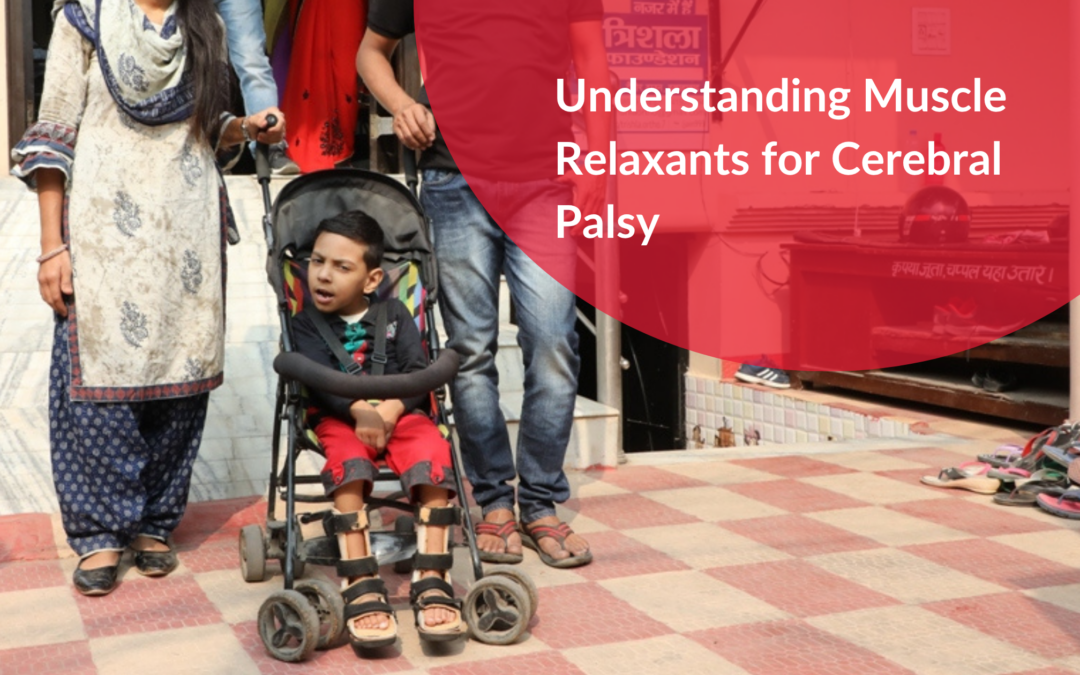
A neurological disorder called cerebral palsy can impact posture, coordination, muscular control, and mobility. Muscle stiffness, spasms, or automatic movements are common in people with cerebral palsy, which can make daily tasks difficult. To reduce excessive muscle...
Children with cerebral palsy may find it difficult to walk because of their rigid muscles, poor balance, and coordination issues. Cerebral palsy crutches are useful mobility aids that enhance stability, offer extra support, and promote increased independence in...
For kids who are just learning to walk, toe walking is really common. Toe walking, however, may be a sign that your child has hypertonic and/or spastic cerebral palsy if it persists. The muscles of newborns with this condition are typically tight and twisted. As a...
Control of movement is difficult for kids with cerebral palsy. It is the most general handicap affecting a child’s ability to manage their motor skills. A brain injury or unusual brain development before birth or early in life is typically the cause of cerebral...
A frequent sitting position known as “W-sitting” involves a child sitting on the floor with their legs turned outward and knees bent in the shape of the letter “W.” Although some kids have a natural preference for this position, people with...
Cerebral palsy is the term used to define most common neuromotor disorder of childhood that occurs due to damage in the developing brain in utero, infancy or in early childhood up to 3 year age, and after that it permanently affects body movement and causes lack of muscle coordination. Brain lesion don’t get worse over period of time but physical disability can regress, remain same or may improve with time depending upon treatment intervention. half of these children can have one or more other problem like problem in speech, hearing, vision, convulsion, recurrent infection.