
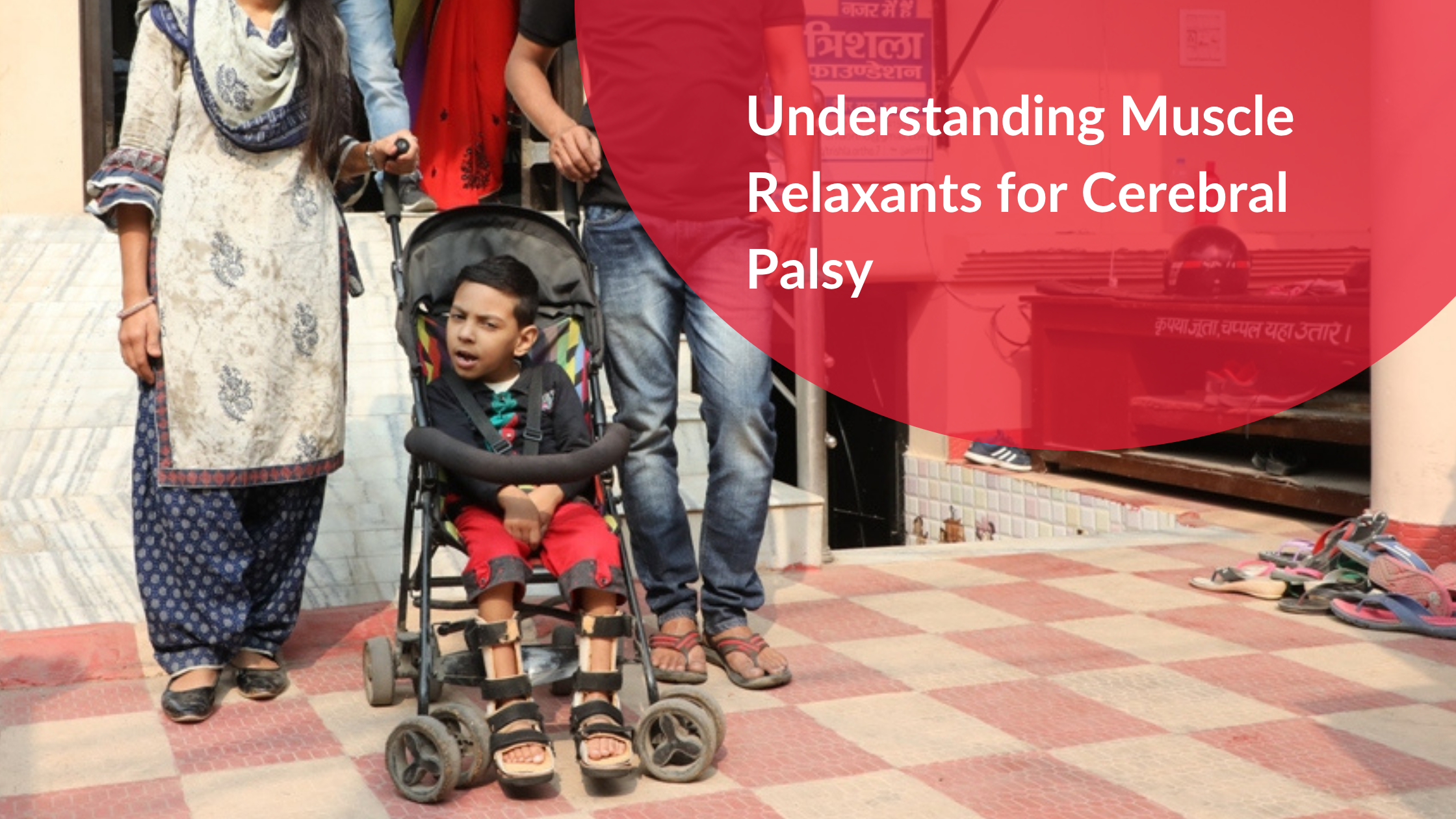
A neurological disorder called cerebral palsy can impact posture, coordination, muscular control, and mobility. Muscle stiffness, spasms, or automatic movements are common in people with cerebral palsy, which can make daily tasks difficult.
To reduce excessive muscle tone, relieve discomfort, and improve movement or positioning, doctors may prescribe a cerebral palsy muscle relaxant for cerebral palsy.
Healthcare providers may recommend oral medications or alternative treatment options based on the patient’s cerebral palsy symptoms and overall health. Patients and caregivers should be aware of how muscle relaxants work, as well as their potential benefits, adverse effects, and proper use.
This blog examines how muscle relaxants can be used to treat muscle-related problems associated with cerebral palsy.
How Cerebral Palsy Affects the Muscles
Muscle Stiffness and Spasticity
The way muscles function and move can be greatly impacted by cerebral palsy (CP). Spasticity, which makes muscles stiff, tight, and difficult to control, is one of the most common side effects. Everyday tasks like walking, reaching, sitting, and keeping balance may become more difficult due to this increased muscle tone.
Muscle Weakness
Muscle weakness is a common symptom of cerebral palsy. The muscles could seem tight, yet they might not provide enough force to move normally. Depending on which parts of the brain are impacted, weakness may affect the muscles of the arms, legs, trunk, or face.
Abnormal Muscle Control
The brain’s capacity to regulate and coordinate muscle movements may be damaged in cerebral palsy. Unusual movement patterns, poor coordination, or automatic motions could arise from this. Some people may have dystonia, which is marked by unpredictable changes in muscle tone that result in twisting or repetitive motions.
Muscle Contractures
Muscles and surrounding tissues may become shorter and less flexible as a result of chronic tension. These contractures can limit joint mobility and may contribute to difficulty straightening the ankles, elbows, or knees.
Impact on Daily Movement
Each person has different muscular difficulties, both in terms of severity and pattern. Stretching, strengthening exercises, physical therapy, assistive technology, and pharmaceuticals can all help reduce muscular stiffness, increase mobility, and promote independence. Maintaining flexibility and effective movement may require early and continuous therapy.
What are Muscle Relaxants?
Muscle relaxants, sometimes referred to as muscle relaxers, are a class of drugs that reduce skeletal muscle activity. They are frequently used to treat excessive tone or spasticity in rehabilitation settings. They are sometimes used alongside exercises for kids with cerebral palsy. People who have had strokes may also use muscle relaxants.
Muscle Relaxants for Cerebral Palsy
Spasticity, another name for muscle stiffness, is a common symptom of cerebral palsy. Walking, posture, balance, joint mobility, and other daily activities can all be restricted by muscle tension. In appropriate patients, cerebral palsy muscle relaxants may help reduce excessive muscle tone and improve comfort and mobility.
Specific Muscle Relaxants
The patient’s age, symptoms, affected muscles, and overall health all influence medication selection. Baclofen can be administered orally or, in extreme circumstances, via an implanted intrathecal pump. It is frequently used to treat generalised spasticity. Depending on the specific situation, other medications such as tizanidine or diazepam may occasionally be considered.
Oral versus Targeted Therapy
When multiple muscle groups are affected, oral medications may help influence muscle tone throughout the body. Cerebral palsy treatment targeting specific muscles, including botulinum toxin injections, may be used for more localised spasticity. Sometimes, specialised care, such as intrathecal baclofen, is necessary for severe spasticity.
Benefits of Muscle Relaxants
Reduce muscle stiffness: Assist in reducing excessive muscle tightness and tone associated with cerebral palsy.
Increased mobility: Walking, standing, and other activities may be simpler with less stiffness.
Encourage physical treatment: Stretching and physical therapy can be more comfortable and successful when the muscles are relaxed.
Relieve muscular spasms: Some drugs might lessen uncomfortable or uncontrollable muscle spasms.
Enhance comfort: Sitting, sleeping, and maintaining comfortable positions can all be easier with less muscle tension.
Support daily activities: Eating, dressing, showering, and other daily tasks may be easier with improved muscle control.
Improve quality of life: Muscle relaxants may enhance comfort, mobility, and independence when used alongside rehabilitation.
Medication and Rehabilitation Together
A more effective approach to treating spasticity associated with cerebral palsy can be achieved by combining medication and therapy. Stretching, mobility exercises, and physical therapy may become more comfortable and doable with the use of muscle relaxants. Strength, flexibility, balance, coordination, and functional abilities are all enhanced by rehabilitation.
Additionally, occupational therapy can help people become more independent in their daily routines. The patient’s age, mobility, symptoms, and general requirements should all be considered when creating the therapy plan.
Healthcare providers must regularly monitor patients to evaluate the medication’s effectiveness and manage any potential adverse effects. Improved mobility, comfort, and quality of life can be supported by both appropriate cerebral palsy medicine and regular therapy.
Working With a Healthcare Professional
Muscle relaxants should only be used under medical supervision. A doctor or rehabilitation specialist can determine whether medication is appropriate and combine it with physiotherapy, stretching, occupational therapy, or other cerebral palsy diagnosis and treatment to support movement and quality of life.
Cerebral Palsy Management with The Trishla Foundation
Cerebral palsy muscle relaxants can play a significant role in controlling spasticity and stiffness. They may help improve comfort, mobility, posture, and engagement in everyday activities by easing excessive muscle tension.
Medication should, however, be administered under proper medical supervision and customised to each patient’s needs. More comprehensive support can be achieved by combining medication with physical therapy, occupational therapy, stretching, and other rehabilitation techniques.
Specialised cerebral palsy care at Trishla Foundation focuses on individualised treatment and rehabilitation to help patients improve mobility, independence, and quality of life through comprehensive, expert care.


