

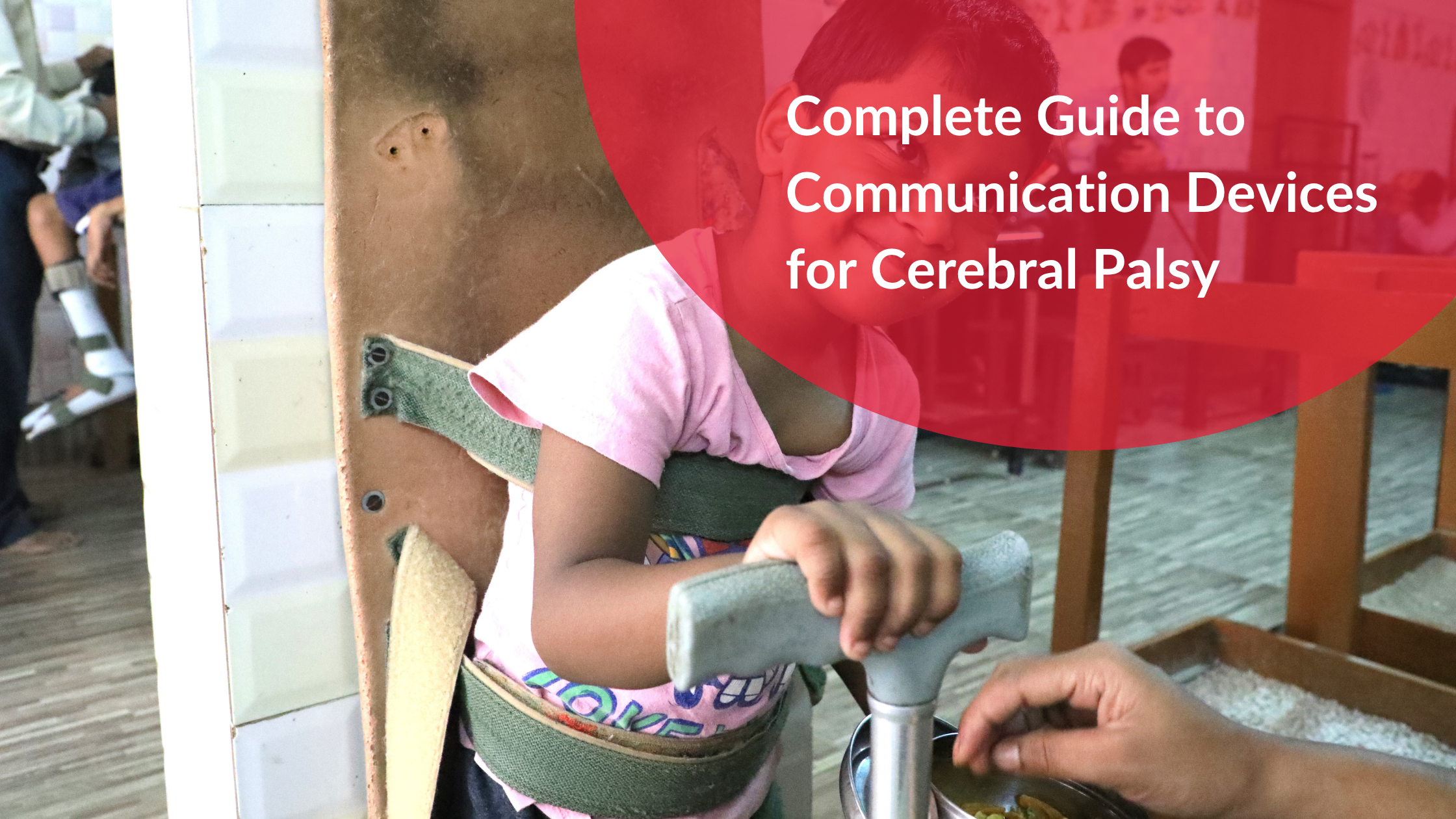
Complete Guide to Communication Devices for Cerebral Palsy
Communication problems are common in children with cerebral palsy. Some people with cerebral palsy may feel alone if they are unable to express their needs or even... Read more.
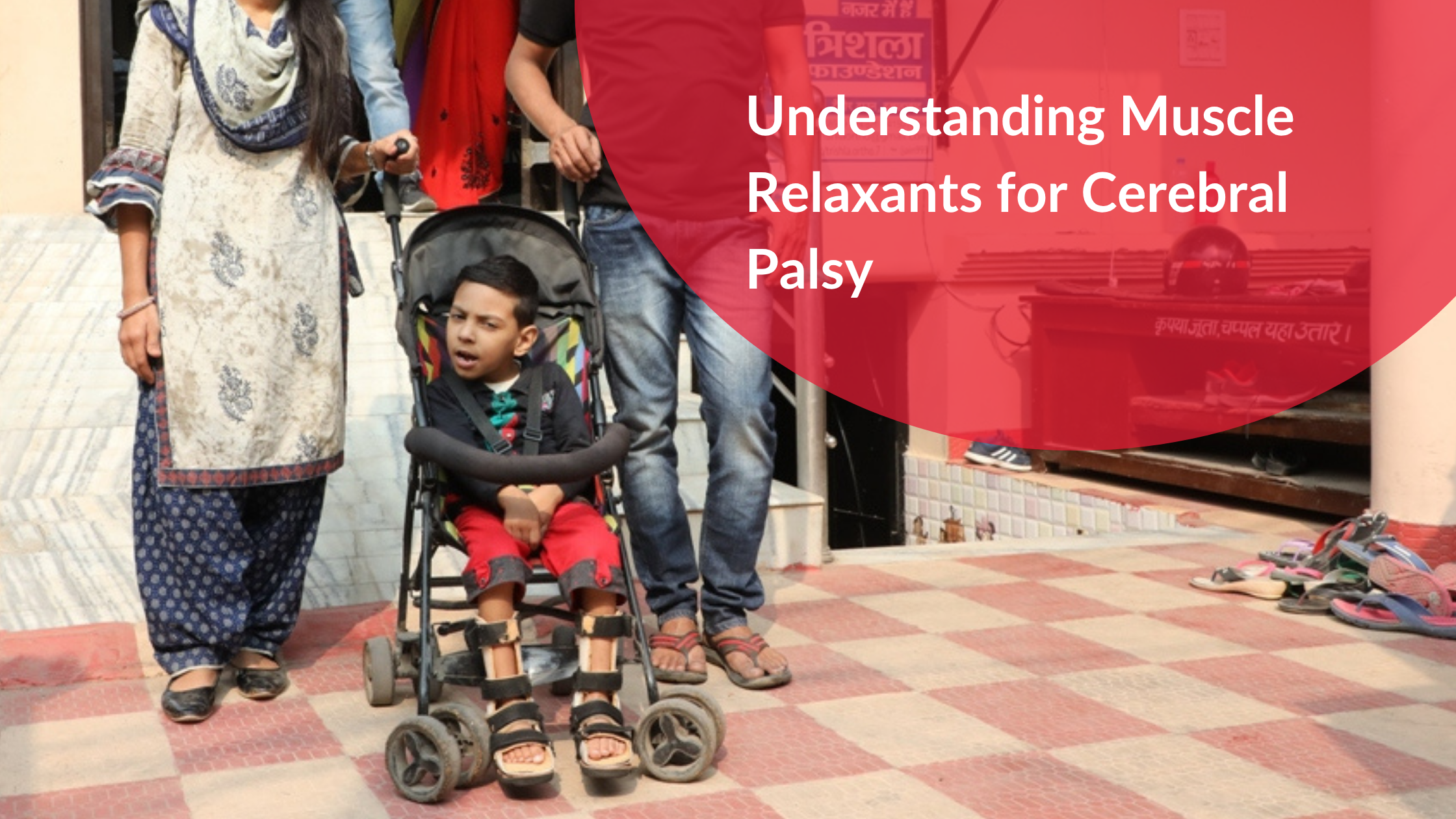
Understanding Muscle Relaxants for Cerebral Palsy
A neurological disorder called cerebral palsy can impact posture, coordination, muscular control, and mobility. Muscle stiffness, spasms, or automatic movements... Read more.

A Complete Guide to Cerebral Palsy Crutches
Children with cerebral palsy may find it difficult to walk because of their rigid muscles, poor balance, and coordination issues. Cerebral palsy crutches are useful... Read more.

Understanding Toe Walking in Cerebral Palsy
For kids who are just learning to walk, toe walking is really common. Toe walking, however, may be a sign that your child has hypertonic and/or spastic cerebral... Read more.

A Complete Guide to Cerebral Palsy Leg Braces for Children
Control of movement is difficult for kids with cerebral palsy. It is the most general handicap affecting a child’s ability to manage their motor skills. A... Read more.

Understanding W-Sitting in Cerebral Palsy
A frequent sitting position known as “W-sitting” involves a child sitting on the floor with their legs turned outward and knees bent in the shape of... Read more.

Managing Posture in Children with Cerebral Palsy
It is challenging to handle children with cerebral palsy because they exhibit abnormal muscle tone and movement, which leads to incorrect posture. To support children... Read more.

Understanding Medications for Cerebral Palsy
For cerebral palsy treatment, its symptoms, and related diseases, doctors recommend several drugs. They take drugs to relieve pain, help with digestion, manage seizures... Read more.

Cerebral Palsy Form Birth Injuries : Causes, Diagnosis, and Long-Term Impact
Although there are several causes and risk factors for baby brain injury, cerebral palsy (CP) is a mobility disorder. Because of this, it might be challenging to... Read more.

Cerebral Palsy and Drooling – Causes, Types, and Treatment Options
People with cerebral palsy can have sialorrhea, or drooling. Cerebral palsy drooling can be less noticeable, with saliva accumulating in the back of the throat,... Read more.