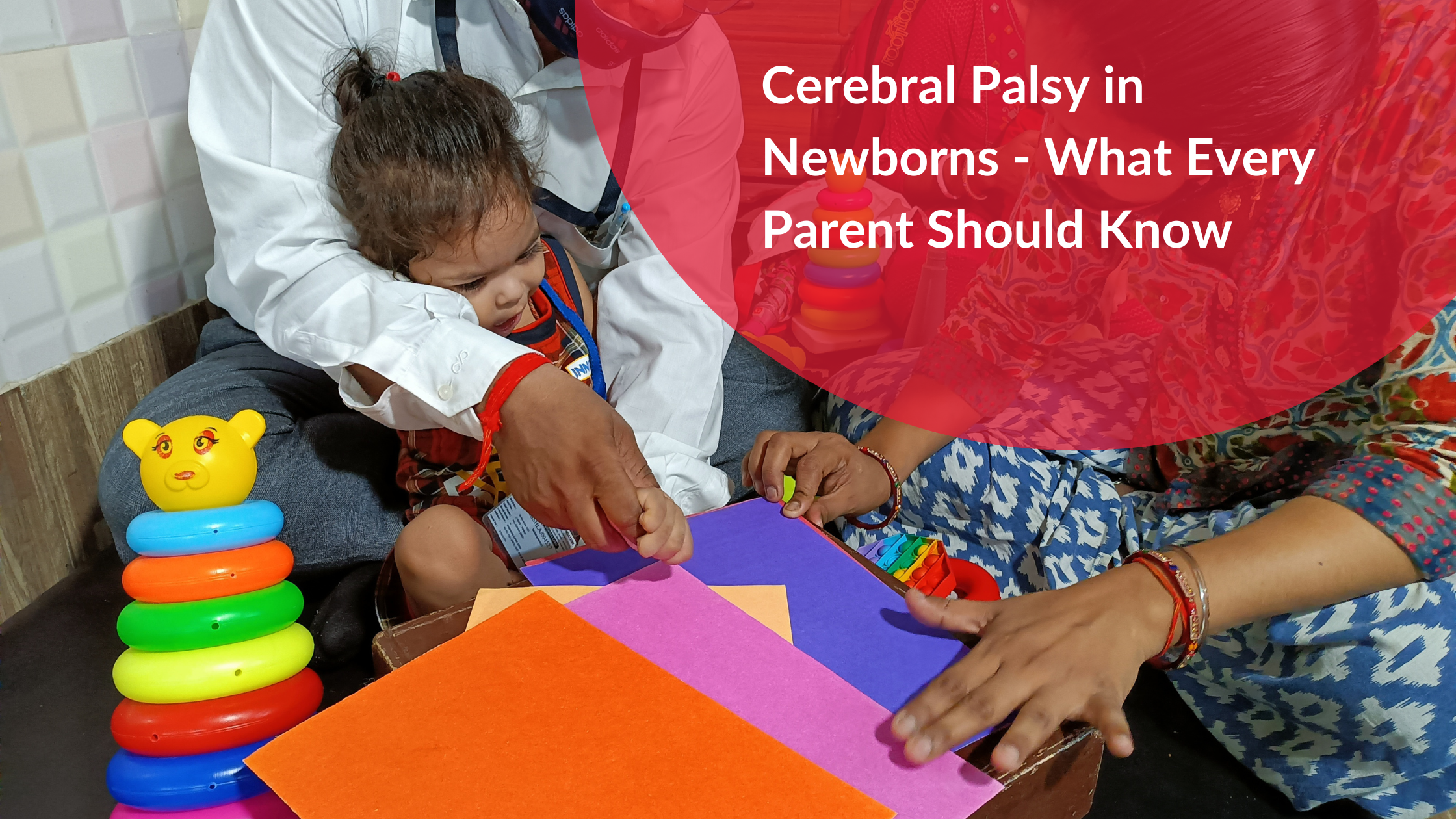
Damage to the developing brain before, during, or soon after childbirth is typically the cause of cerebral palsy (CP). Most of the time, cerebral palsy in newborns is caused by oxygen deficit to the brain, high fever, and deep jaundice. Find out more about the causes of cerebral palsy and what to do if your child develops it.
Causes Of Cerebral Palsy in Babies
Most cases of cerebral palsy in newborns are associated with late pregnancy events that interfere with normal brain development. There is now no recognized cure, no prenatal diagnostic test, and, in the majority of instances, the precise cause remains unknown. The medical community used to believe that birth trauma and a lack of oxygen to the child’s brain during delivery were the primary causes of cerebral palsy.
However, this is now recognized as a rare pathway, with most term-born cases likely having pathways that began before labour. The prevalence of cerebral palsy is still strongly correlated with both early birth and growth restriction throughout pregnancy, indicating that there may be additional causes besides early birth.
Additionally, the percentage of extremely preterm infants with cerebral palsy is currently declining due to a better understanding of the pathways leading to preterm cerebral palsy and how advancements in neonatal intensive care might lessen this.
Cerebral Palsy in Babies – Signs And Symptoms
As cerebral palsy in newborns may not always be evident right away after birth, identifying early warning indicators is crucial. As the infant grows and begins to miss developmental milestones, cerebral palsy symptoms may appear.
The following are some typical signs of cerebral palsy in infants:
- Poor muscle control
- Stiff or floppy muscles
- Delayed head control
- Difficulty rolling over, sitting, or crawling
- Trouble swallowing or feeding
- Unusual body posture
- Poor coordination and balance
- Involuntary movements
- Delayed speech development
- Favouring one side of the body
Additionally, parents may see that babies with cerebral palsy have peculiar muscle weakness or tightness. When a baby is picked up, for instance, they may appear extremely rigid or have abnormally limp arms and legs. Developmental delay is another significant indicator of cerebral palsy in newborns.
Parents should contact a doctor if their child is not meeting developmental milestones such as smiling, sitting up, crawling, or walking within the expected timeframes. Due to the wide variation in cerebral palsy in newborns, some babies may have modest symptoms while others may experience more severe physical difficulties.
How is Cerebral Palsy Diagnosed in Newborns
To provide children with the support they require, early diagnosis of cerebral palsy is crucial. A newborn’s physical motions, muscular tone, posture, and developmental progress are usually assessed by doctors.
The procedure of diagnosis could include:
- Reviewing the baby’s medical history
- Assessing developmental milestones
- Performing neurological examinations
- Using imaging tests such as MRI or CT scans
- Conducting hearing and vision tests
- Evaluating muscle tone and coordination
Doctors frequently watch a child over time before making a diagnosis since cerebral palsy in newborns may not always be evident right away. Early diagnosis of cerebral palsy enables parents to begin therapy and support services right away. Independence, communication skills, and motor skills can all be enhanced with early intervention.
Parents should not ignore unusual cerebral palsy symptoms or developmental delays. It is usually advisable to consult a paediatrician or an expert as soon as possible if there are concerns about cerebral palsy in newborns.
Risk Factors for Newborn Cerebral Palsy
While any baby can acquire cerebral palsy, some risk factors may make the condition more likely to arise.
Specific risk factors include the following:
- Premature birth before 37 weeks
- Multiple births, such as twins or triplets
- Low birth weight
- Maternal infections during pregnancy
- Lack of oxygen during labor
- Difficult or prolonged delivery
- Seizures in newborns
- Brain infections or inflammation
- Blood clotting disorders
- Maternal health conditions, such as thyroid problems or high blood pressure.
As their brains are still developing quickly, premature newborns are particularly vulnerable. Early birth may increase a baby’s chance of brain injury or bleeding, which might result in cerebral palsy. Additionally, parents should understand that although these variables can raise a baby’s risk of developing cerebral palsy, not all babies with these risks will.
Cerebral Palsy in A Newborn – Treatment Options
Early and successful cerebral palsy treatment can greatly enhance a child’s talents and quality of life, even though there is no permanent cure for cerebral palsy in newborns. Treatment regimens are generally tailored to the child’s cerebral palsy symptoms and severity. Typical options for treating cerebral palsy include:
- Physical treatment to enhance strength and mobility
- Occupational therapy to improve everyday living abilities
- Speech therapy for communication and swallowing issues
- Drugs to lessen pain and stiffness in the muscles
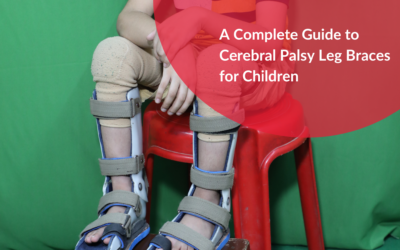
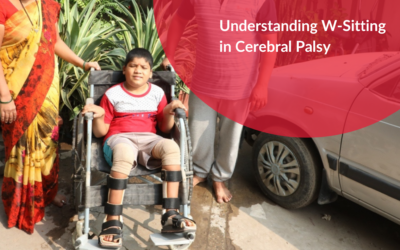
- Wheelchairs, walkers, and braces are examples of assistive technology
- In extreme circumstances, surgery to increase mobility
To help children realise their full potential, managing cerebral palsy is crucial alongside medical care. To develop a long-term care plan, parents, therapists, physicians, and carers frequently collaborate.
Regular treatment sessions, educational support, at-home exercises, dietary advice, and emotional support for the child and family are all components of effective cerebral palsy management.
These treatments can start as soon as neonates with cerebral palsy are diagnosed. Early intervention can enhance children’s physical, social, and emotional development and help them become more self-sufficient.
Trishla Foundation – Providing Skilled Care and Empathy to Children with Cerebral Palsy
We at Trishla Foundation are aware of the difficulties families have when a newborn has cerebral palsy. Our staff is dedicated to giving kids with developmental disorders individualized treatment, professional advice, and sympathetic support.
We assist families in finding the best therapies and rehabilitation programs for their child’s requirements, from early diagnosis to advanced cerebral palsy therapy and long-term cerebral palsy management.
Early professional assistance can have a significant impact if you discover indicators of cerebral palsy in newborns or have worries about your child’s development. Children can lead healthier, happier, and more satisfying lives with prompt care, appropriate support, and appropriate therapy.