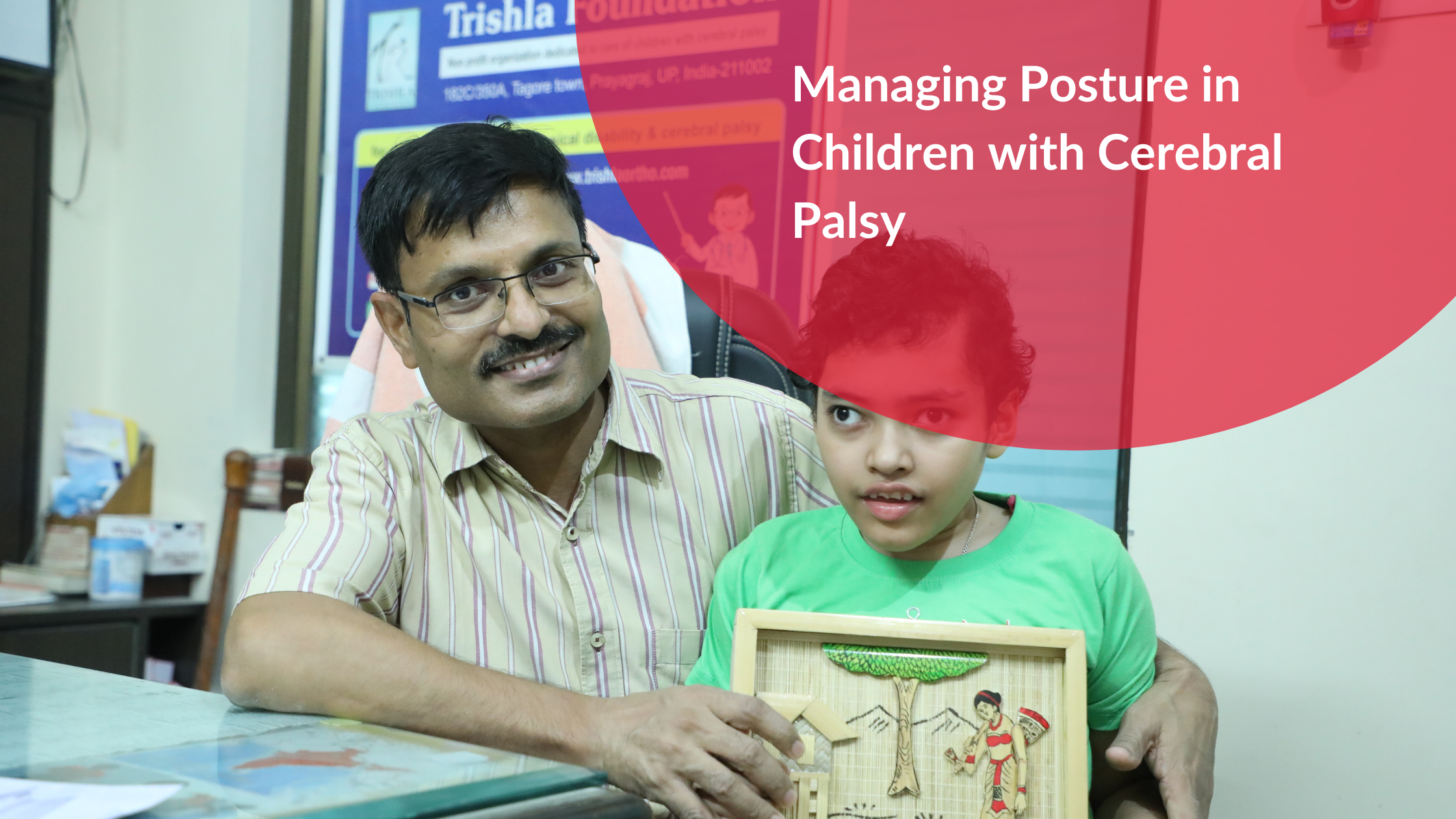
It is challenging to handle children with cerebral palsy because they exhibit abnormal muscle tone and movement, which leads to incorrect posture. To support children with cerebral palsy posture, parents, carers, and therapists must possess the necessary knowledge and handling abilities.
Children with cerebral palsy exhibit abnormal movements that limit their natural development. If these abnormalities persist for an extended period of time, the child may acquire malformations that result in a permanent impairment. In every cerebral palsy intervention, handling skills are crucial. For a youngster with cerebral palsy, adequate handling enables more intentional active movements.
The Impact of Cerebral Palsy on Posture
Unbalanced Muscles and Inadequate Alignment
Some muscles may become excessively stiff while others stay weak due to cerebral palsy. Abnormal cerebral palsy posture and poor body alignment are frequently the result of this imbalance. Some people struggle to keep their heads straight, have curved backs, or tilt to one side. These postural issues can eventually put additional strain on the joints and spine.
Difficulties with Everyday Tasks
Daily tasks can become more challenging when one has poor posture. Long stretches of sitting, eating, writing, or moving about may call for extra assistance. In certain instances, poor posture can also lead to discomfort, fatigue, and respiratory problems.
Impact on Growth and Bone Health
As children with cerebral palsy grow, poor posture can affect bone and muscle development. Improper alignment may increase the risk of spinal curvature, joint stiffness, and hip problems. Without proper support and therapy, these issues can worsen over time and may limit mobility.
Importance of Early Cerebral Palsy Management
Early intervention and proper therapy can help improve cerebral palsy posture and prevent complications. Physical therapy, supportive seating, stretching exercises, and mobility aids are commonly used to support better posture and improve the quality of life for individuals with cerebral palsy.
Effects on Bone Health and Growth
Poor posture in children with cerebral palsy can affect the development of bones and muscles. Hip issues, joint stiffness, and spinal curvature may all become more likely with improper alignment. These problems may worsen with time and severely restrict movement in the absence of appropriate support and therapy.
The Value of Early Management
Proper therapy and early intervention can help prevent issues and improve posture. For people with cerebral palsy, mobility aids, supportive seating, stretching exercises, and physical therapy are frequently utilised to improve cerebral palsy posture and enhance quality of life.
A Variety of Movement Disorders That Lead to Poor Posture
- Stiff muscles and heightened reflexes characterise spasticity. This is the most prevalent mobility disorder associated with cerebral palsy.
- Variations in muscular tone, such as excessive floppiness or rigidity.
- Rigidity is the term for stiff muscles.
- Ataxia is the term for a lack of muscle coordination and balance.
- Tremors are uncontrollably jerky motions.
- Slow, writhing motions.
Early Warning Signs of Poor Posture
- Favouring one side of the body, such as dragging a leg when crawling or just using one hand to reach.
- Walking with difficulty. When walking, people with cerebral palsy may squat or walk on their toes. They might also cross their knees and walk like scissors. They might also be unsteady or walk with their legs spread wide.
- Difficulty using fine motor abilities to pick up utensils or button garments.
Potential Risks of Poor Posture
- Increased stress on the spine, joints, and muscles
- Persistent discomfort and pain
- Decreased mobility and trouble carrying out everyday tasks
- Over time, joint problems and muscle rigidity
- Issues with breathing and circulation brought on by incorrect body position
- An increased likelihood of limb abnormality and spinal abnormalities
- Increased exhaustion brought on by ineffective body alignment
- Having trouble staying balanced and coordinating
- decreased general comfort and standard of living
- Increased demand for posture management, cerebral palsy treatment, and physical assistance
Purpose of Proper Positioning
To experience and develop more typical ways of moving and avoid secondary issues, children with cerebral palsy require external postural support in various situations. It is generally acknowledged and standard practice for the general objectives of seating and placement to include the following, based on clinical and research evidence:
- Returning the tone to normal or lessening its aberrant impact on the body.
- Keeping the skeleton in alignment.
- Preventing or accommodating skeletal abnormalities.
- Supplying a solid foundation of assistance to encourage function.
- Encouraging greater tolerance for the intended position.
- Encouraging relaxation and comfort.
- Promoting healthy movement patterns or managing aberrant ones.
- Controlling pressure or stopping pressure sores from forming.
- Reducing weariness.
- Improving the respiratory, digestive, and cardiac functions of the autonomic nervous system.
- Maximizing function while minimizing pathology.
- Additionally, proper placement promotes social engagement, eye contact, and kid communication.
Supportive Equipment Used for Positioning
Crutches and Canes: When a wheelchair or walker is not required but additional stability is still needed, people with cerebral palsy can benefit from forearm crutches, walking sticks, hand canes, and other types of crutches and canes.
CP Chair: People with cerebral palsy need a specialized chair and strap for sitting at home so that they can do some work on the computer, and interaction can be better with proper sitting posture.
Splints: People with cerebral palsy may benefit from hand splints to improve hand function, particularly for grasping objects.
Standers: Standers give people the experience and flexibility to use their hands while standing erect, as well as assistance for standing. Peer interaction and the growth of bones and muscles depend on standing.
Walkers: Children with cerebral palsy who can walk but require assistance beyond a cane or forearm crutches may use a walker to help them be independent. For shorter distances, they might use a walker; for longer ones, they might use a wheelchair. A gait trainer may also be required in certain cases with severe disability
Wheelchairs: When walking is impractical or too painful, people with cerebral palsy might use power or manual wheelchairs for mobility. But some children/ adult may need modification in the seating arrangement.
Better Posture, Better Movement with Trishla Foundation
For kids with cerebral palsy, maintaining good posture is essential to their general health. Early intervention is crucial since poor posture can impact daily activities, breathing, movement, and balance.
Children can benefit from increased comfort, mobility, and confidence through the right combination of physical therapy, exercises, supportive equipment, and expert coaching. Our goal at Trishla Foundation is to help children with cerebral palsy live healthier, more independent lives by providing competent support and compassionate care.
Early cerebral palsy posture correction improves quality of life and long-term physical development while preventing issues.